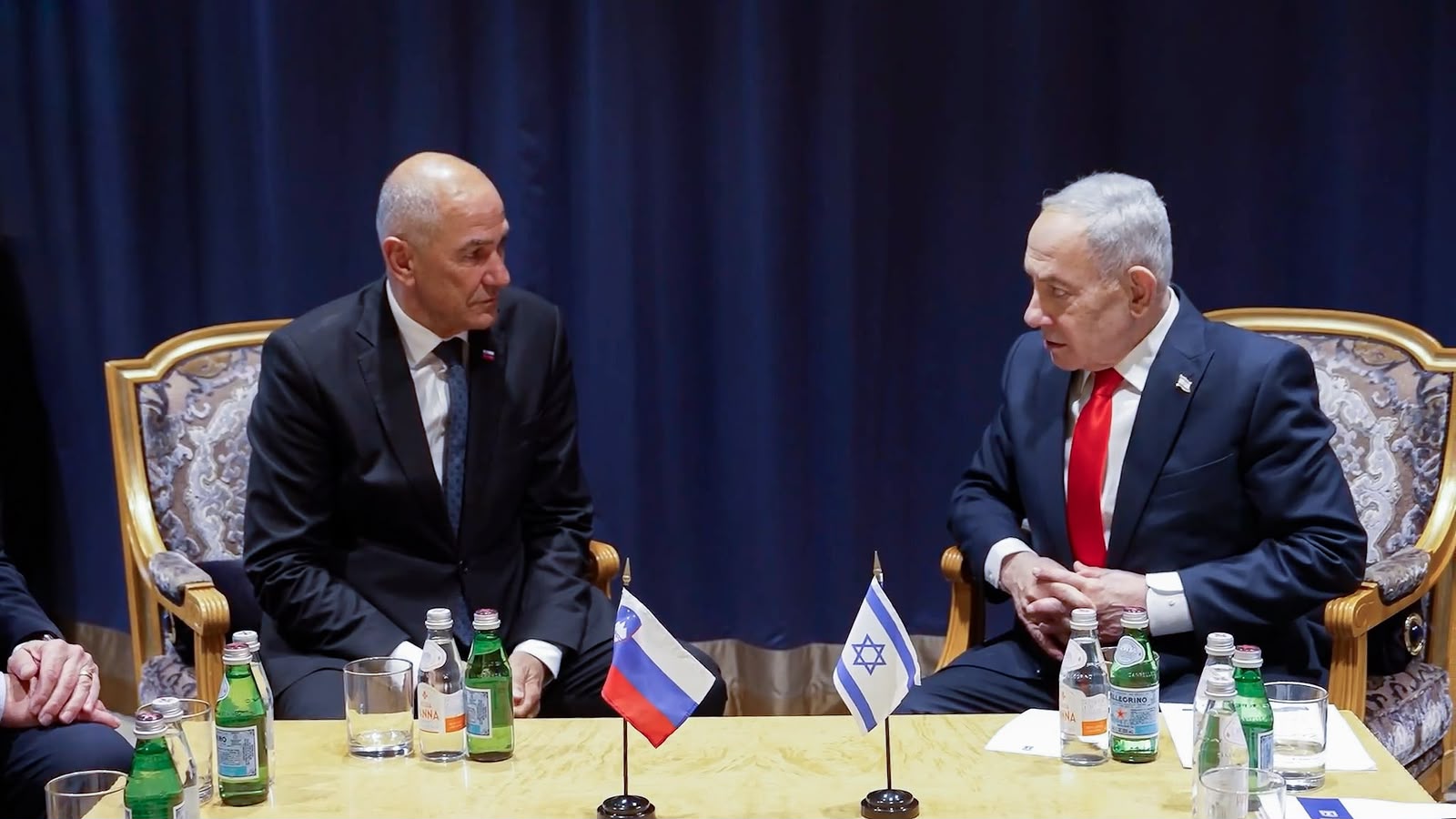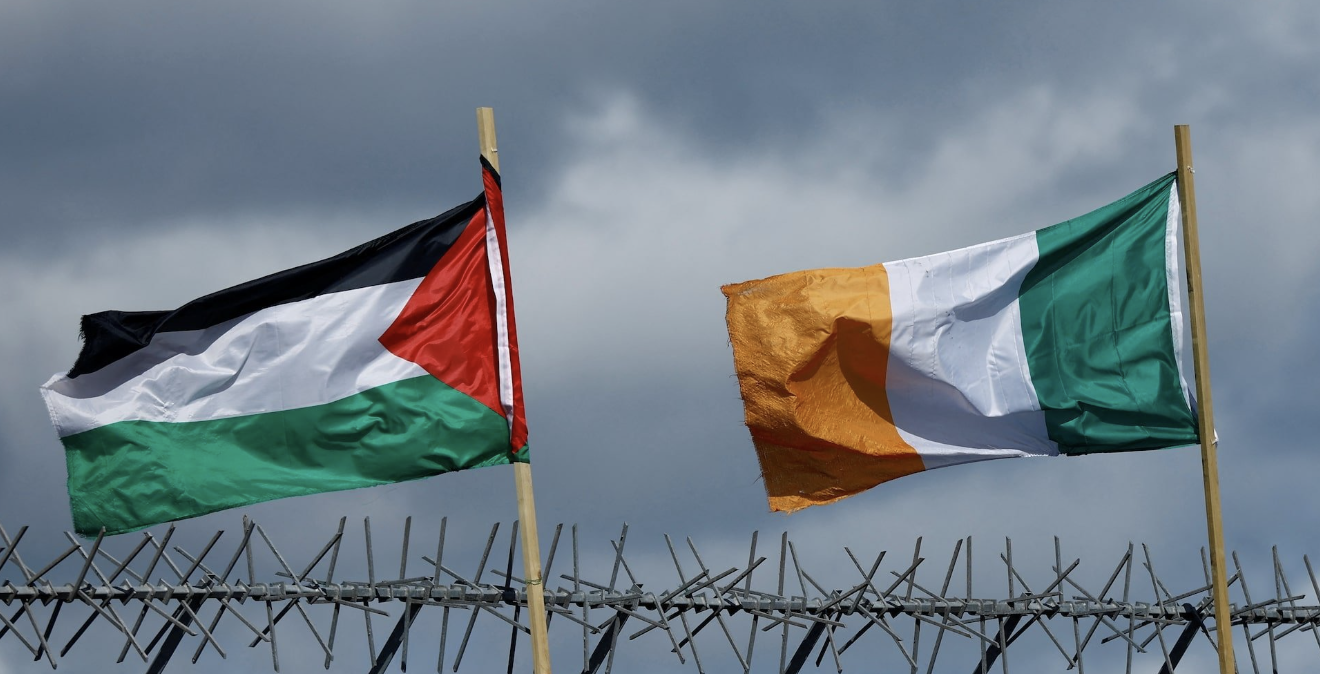
EU foreign ministers have rejected calls to suspend the bloc’s trade agreement with Israel, exposing deep divisions within the EU over how to respond to Israel’s war crimes in Gaza . Proposals led by Spain, Ireland and Slovenia, citing violations of international law and escalating Israeli agression in Gaza, the West Bank and Lebanon, failed to gain the necessary support among member states.
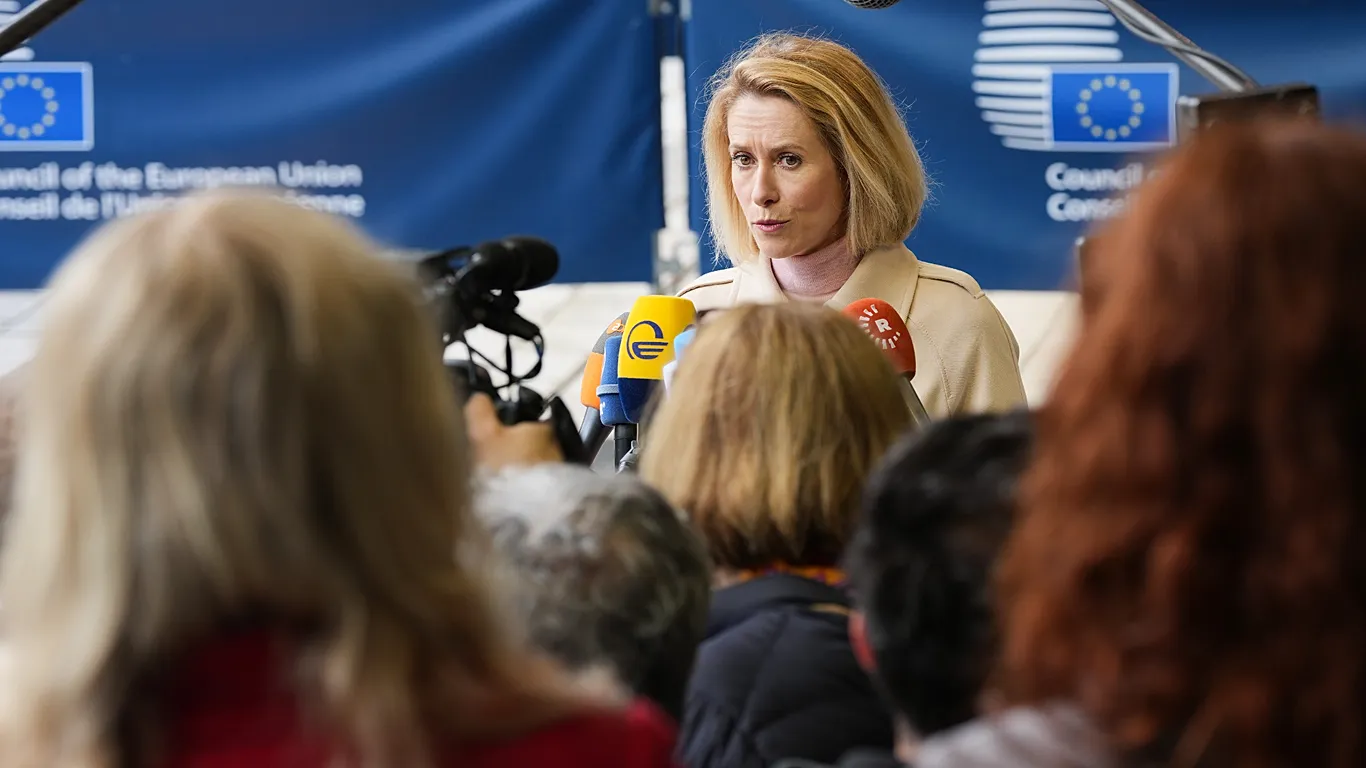
Key countries including Germany and Italy opposed the move, arguing against suspending the long-standing EU–Israel association agreement, which underpins political and economic ties. EU foreign policy chief Kaja Kallas confirmed there was no consensus for either a full or partial suspension, meaning no immediate change to trade relations.
Despite the rejection, the debate highlighted growing pressure within the EU for stronger action. Some countries, along with human rights groups and EU lawmakers, have accused Israel of breaching human rights obligations and called for sanctions or restrictions—particularly targeting goods from Israeli settlements. A more limited proposal on settlement-related trade may still be considered by the European Commission.
The outcome underscores the EU’s internal split: while a bloc of states is pushing for tougher measures to uphold international law, others favour continued engagement with Israel. For now, the lack of unity prevents the EU from using one of its most powerful levers, trade, despite mounting political and public pressure for action.