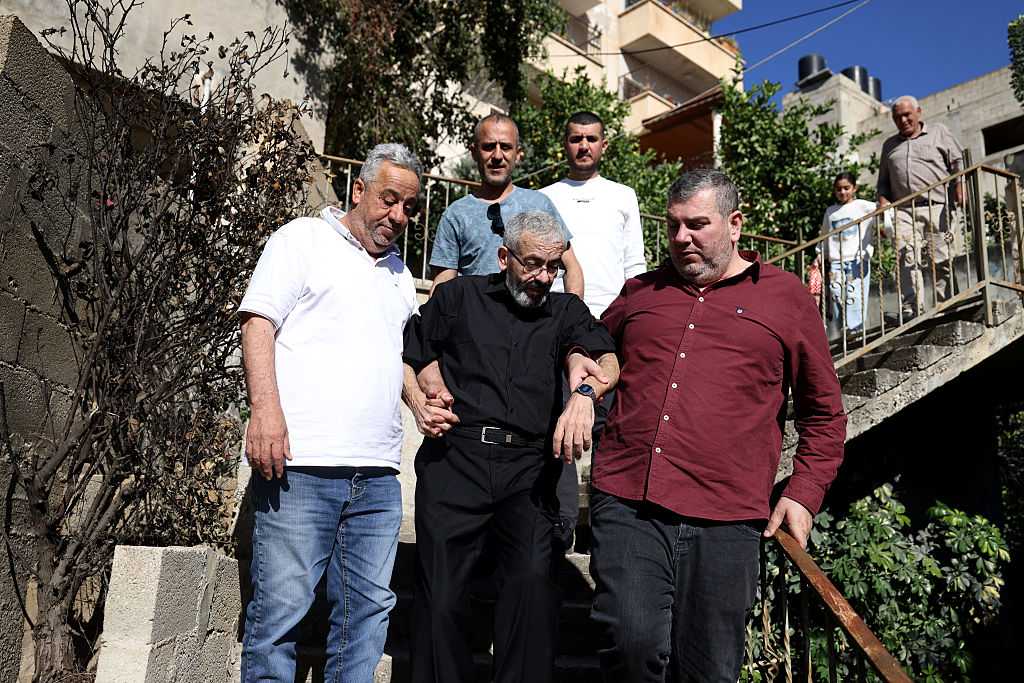
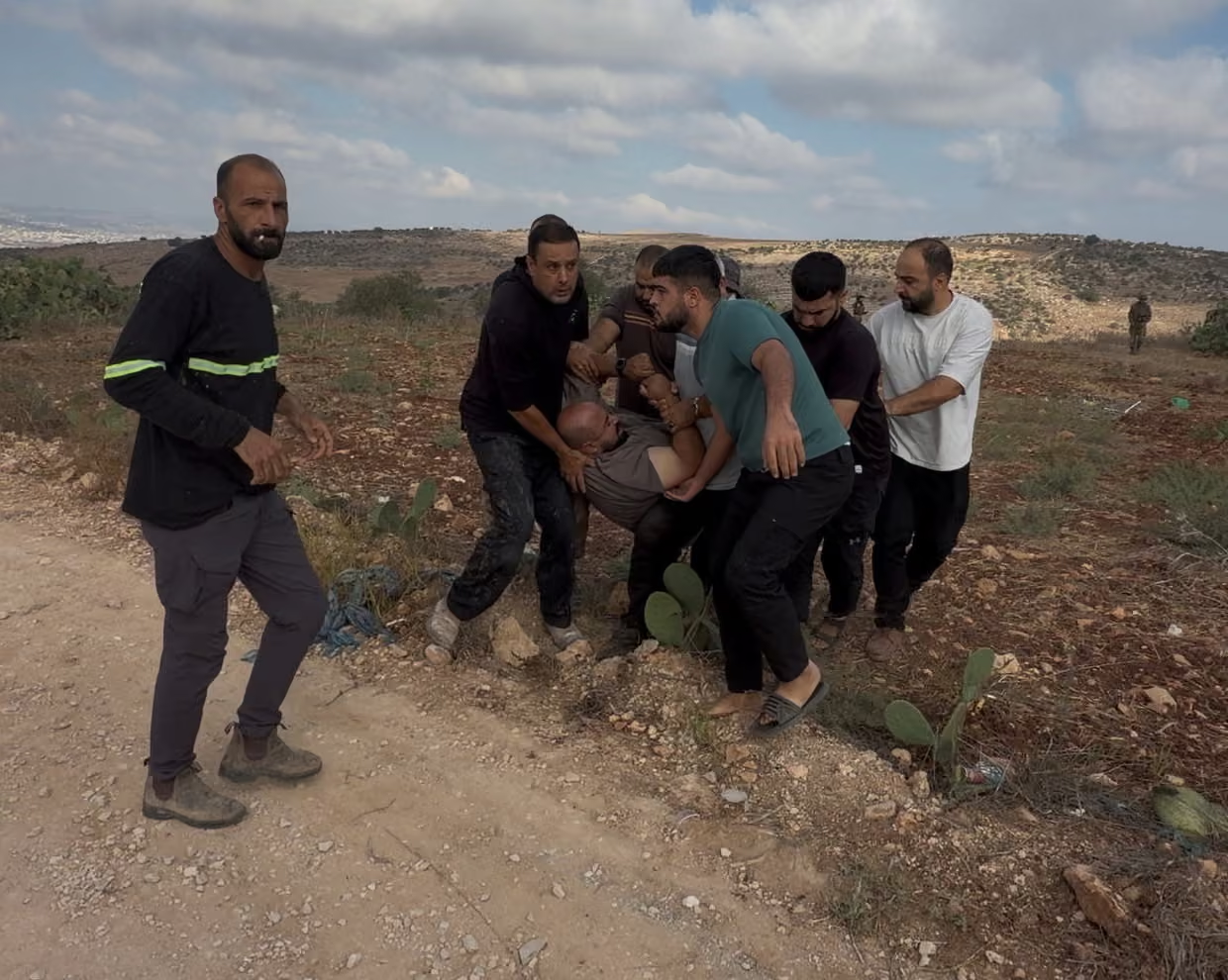
In the Askar refugee camp near Nablus, occupied West Bank, many teenagers are now living with permanent injuries after being shot by Israeli forces during repeated military raids. One of them is 18-year-old Amir Othman, who was shot in the leg by soldiers in January while spending time with friends on Tel Askar, a hill where families once gathered beneath olive trees. After the shooting, Amir said he immediately realised the seriousness of his injury, telling reporters, 'I can’t feel my leg.' The gunfire left him with a lasting disability and ended the sense of normal life he once had in the camp.
The same location also carries the memory of his childhood friend, 18-year-old Mohammed Abu Haneen, who was killed by Israeli forces there just over a year earlier. Residents say Tel Askar, once a place of recreation and community, has become associated with fear, loss, and military violence. Children are increasingly afraid to play outside, and parents worry constantly about the risk of shootings during even ordinary daily activities.
Other young people in the camp have faced similar injuries. Al Jazeera reports that Israeli military incursions into the area have left numerous teenagers either wounded or permanently disabled, creating a climate where adolescence is shaped by trauma rather than opportunity. Families describe how these attacks have changed the psychological and physical landscape of the camp, with many young people now forced to adapt to life with chronic pain, disability, or the grief of losing friends.
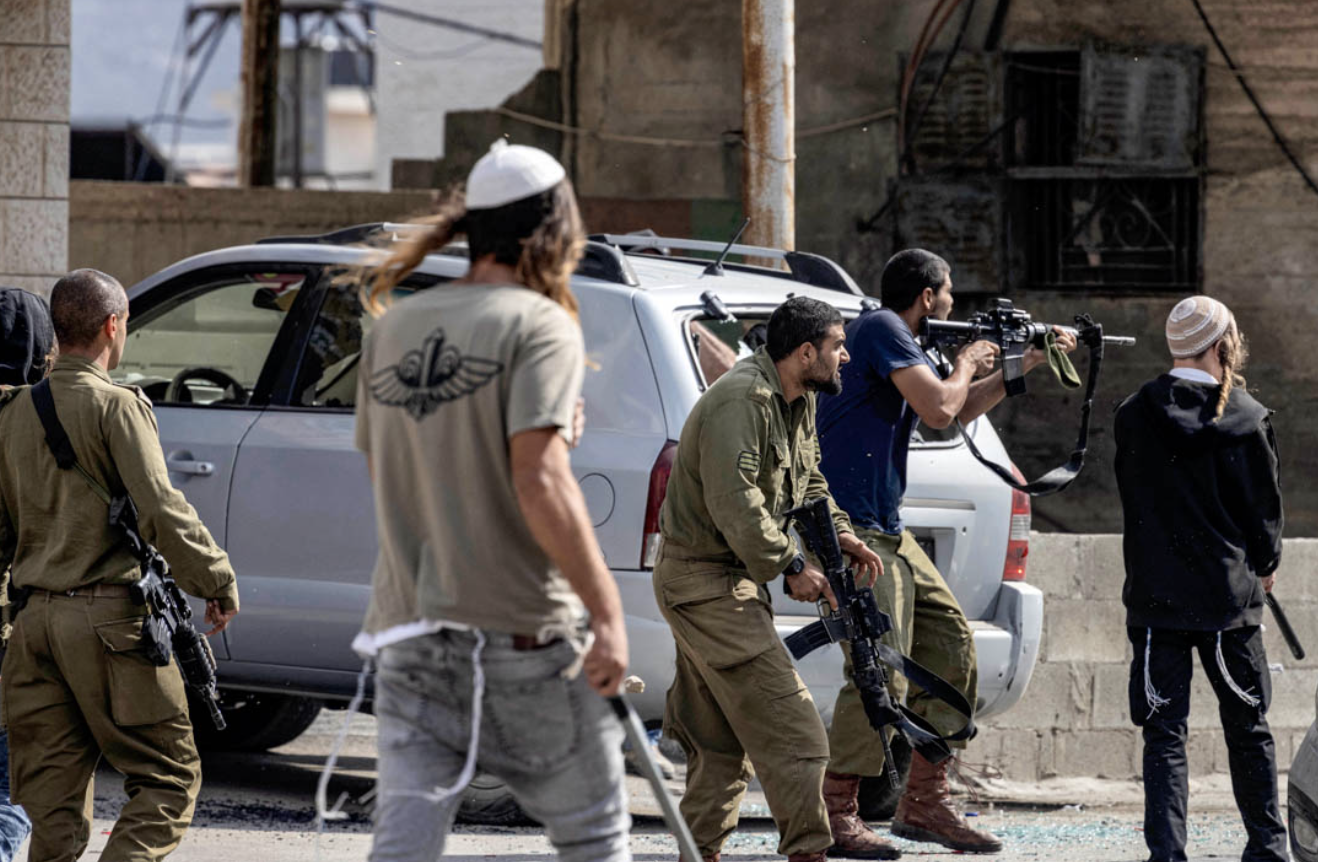
The case reflects a wider escalation across the occupied West Bank, where raids, shootings, settler violence, and forced displacement continue to intensify. Human rights organisations and local residents warn that young Palestinians are paying the highest price, with schools, streets, and refugee camps increasingly becoming sites of danger rather than safety. For many families in Askar, survival itself has become an act of resilience under constant threat.