Serbia’s student-led protest movement has defeated Serbian President Aleksandar Vučić in snap parliamentary elections, ending more than a decade of political dominance and putting the future of Serbia’s growing military partnership with Israel in question.
Vučić conceded defeat on Sunday, 25 October, after preliminary results indicated that the student-backed Student List would win between 135 and 140 seats in Serbia’s 250-seat parliament, compared with 105 for his Serbian Progressive Party.
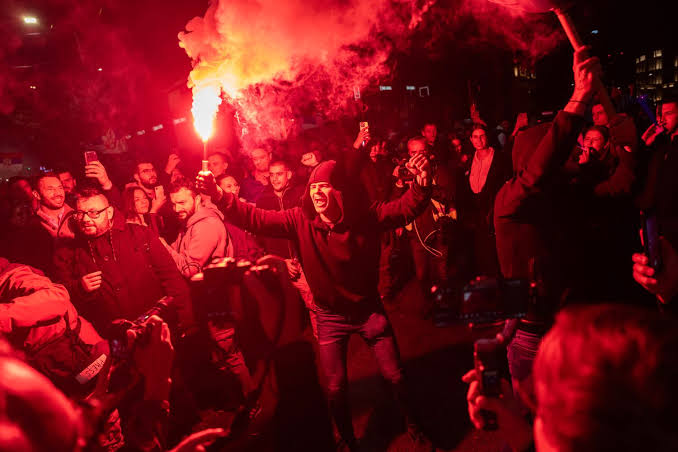
What began as a protest movement demanding greater government accountability grew into nearly two years of nationwide protests against corruption, alleged government abuses and the erosion of democratic institutions. Vučić repeatedly dismissed demonstrators as “blockaders” and accused them of trying to destabilise the country.
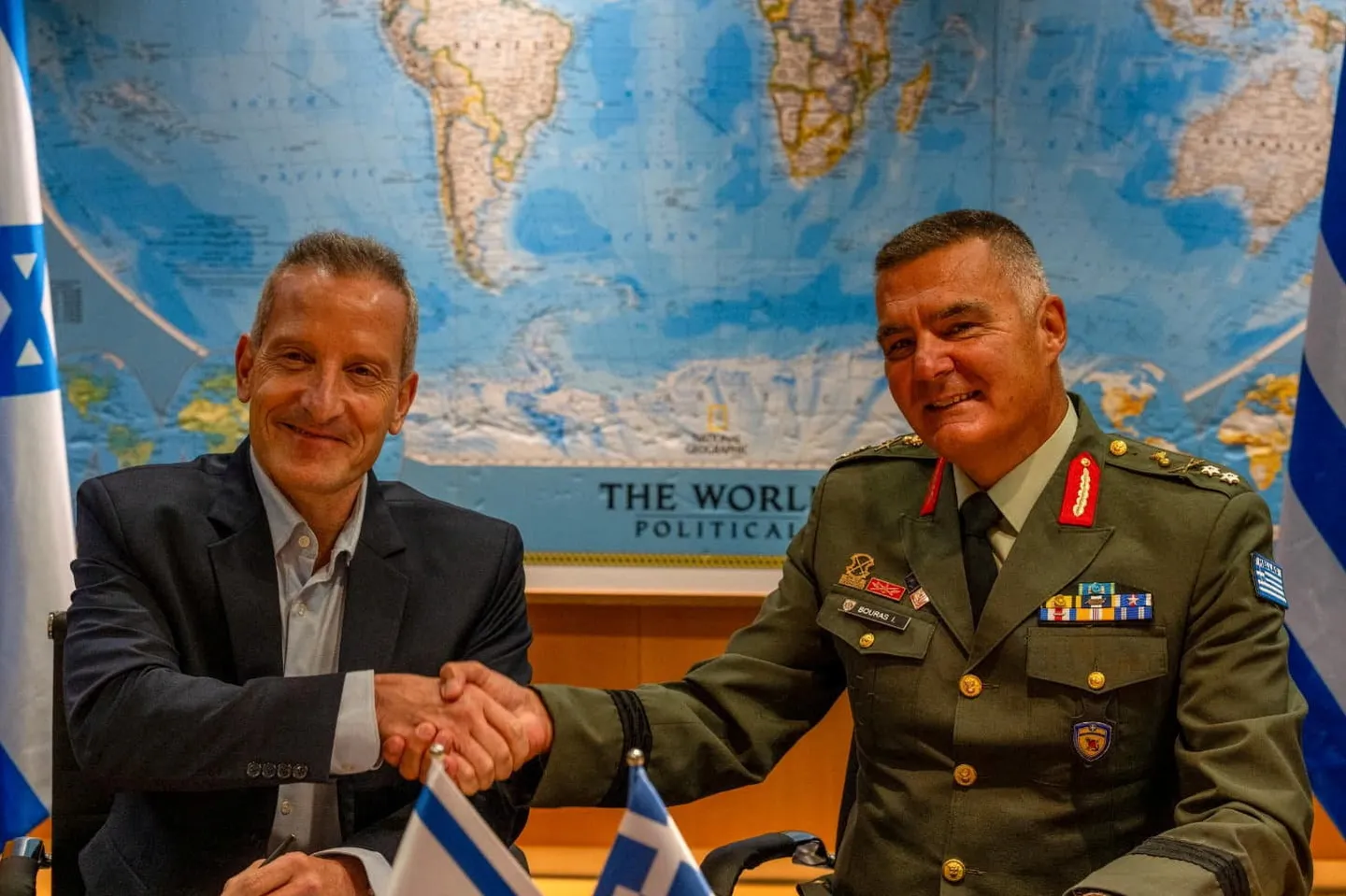
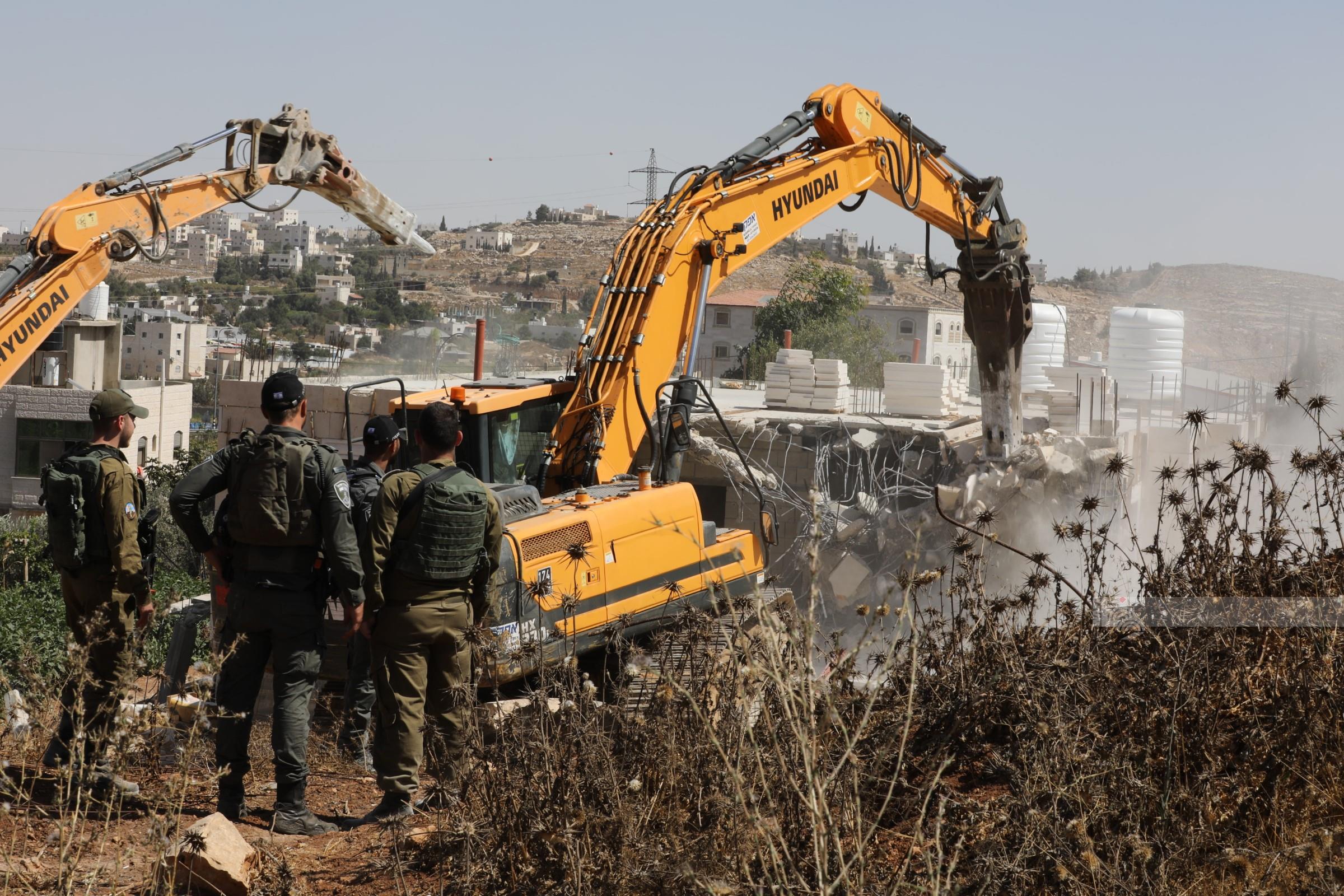
The election result also raises questions about Serbia’s close relationship with Israel. Under Vučić, Belgrade became an important supplier of weapons and ammunition to Israel during its war on Gaza, as several other countries introduced restrictions on arms exports.
Military cooperation has expanded beyond arms sales. In September, a facility for assembling Israeli-made drones opened in Belgrade in partnership with Israeli defence company Elbit Systems.
Israel has regarded Vučić as a key ally in Europe at a time of growing international criticism of its military campaign in Gaza. His defeat now leaves the partnership facing political uncertainty, although the student movement has not yet established a clear position on Israel, and existing arms contracts will not automatically be cancelled.
The students’ victory follows prolonged demonstrations that brought together university students, academics, workers and other sections of Serbian society.