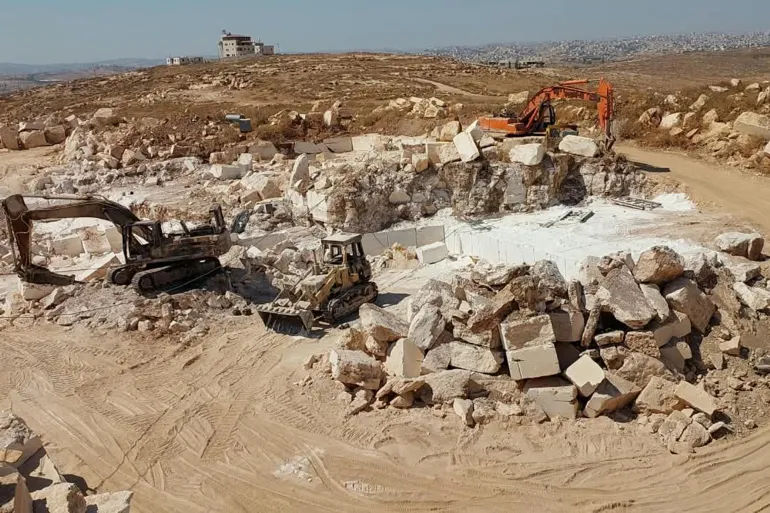
In a move that significantly escalates tensions in the Middle East, the Israeli cabinet has approved the construction of 19 new settlements across the occupied West Bank. This decision, spearheaded by the country’s current far-right government, is being viewed by critics and international observers as a strategic effort to dismantle any remaining prospects for a future Palestinian state.
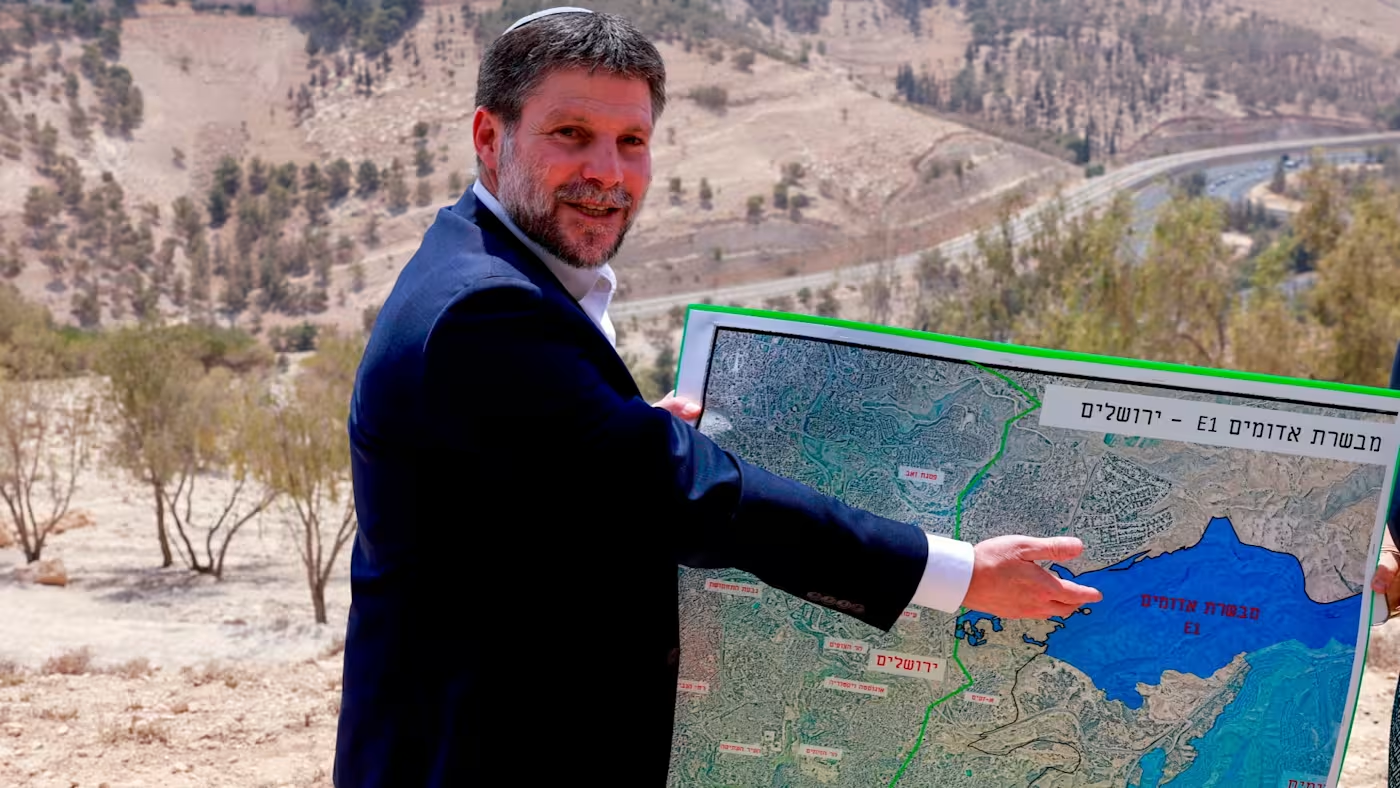
Bezalel Smotrich, the ultranationalist Finance Minister who also wields significant authority within the defense ministry, hailed the approval as an act of "moral Zionism." Taking to social media to celebrate the administrative milestone, Smotrich noted that the government has regulated 69 new settlements in just three years—a pace he described as "a record like no other." His rhetoric was blunt regarding the strategic intent of the expansion, explicitly stating that the move is designed to "thwart in the field the establishment of a Palestinian state."
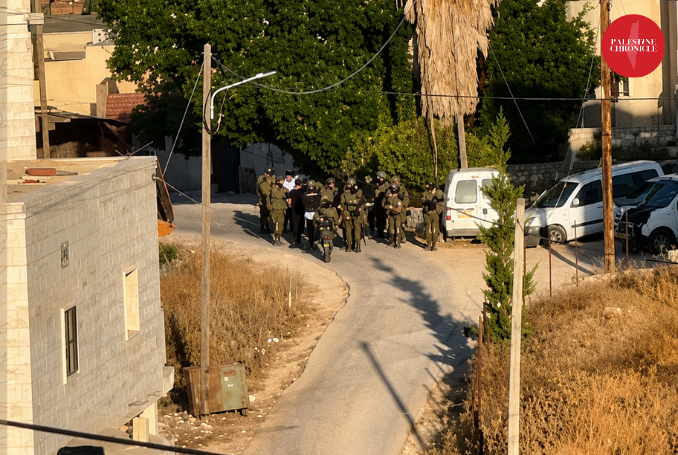
This acceleration marks a dramatic shift in Israeli policy. Before the current coalition took power in 2022, Israel had established roughly 140 settlements in the decades following the 1967 war. In just the last three years, the Netanyahu government has increased that number by nearly 50 percent. This surge in construction coincides with a period of intense friction; according to the United Nations, violence by Jewish settlers against Palestinian villagers has reached its highest levels since the organization began tracking the data in 2006.
The legal and diplomatic ramifications of the cabinet's decision are profound. While the international community largely considers these settlements illegal—a stance reinforced by a recent International Court of Justice declaration—the Israeli government has framed the expansion as a defiant response to the recent recognition of Palestinian statehood by nations such as the UK, France, and Canada.
Currently, nearly 750,000 Israeli Jews reside in the West Bank and East Jerusalem, living alongside roughly 3 million Palestinians who remain under Israeli military rule. The new plans involve re-establishing settlements uprooted during the 2005 withdrawal and legalizing various outposts that were previously considered unauthorized even under Israeli law.
Palestinian Prime Minister Mohammad Mustafa has reacted with alarm, accusing the Netanyahu administration of pursuing a program of "creeping annexation" intended to make the West Bank unlivable for its Palestinian inhabitants. Speaking to the Financial Times, Mustafa warned that the government is "playing with explosive material," cautioning that the continued displacement of farmers and the enclosure of land could lead to a volatile breaking point at any time.