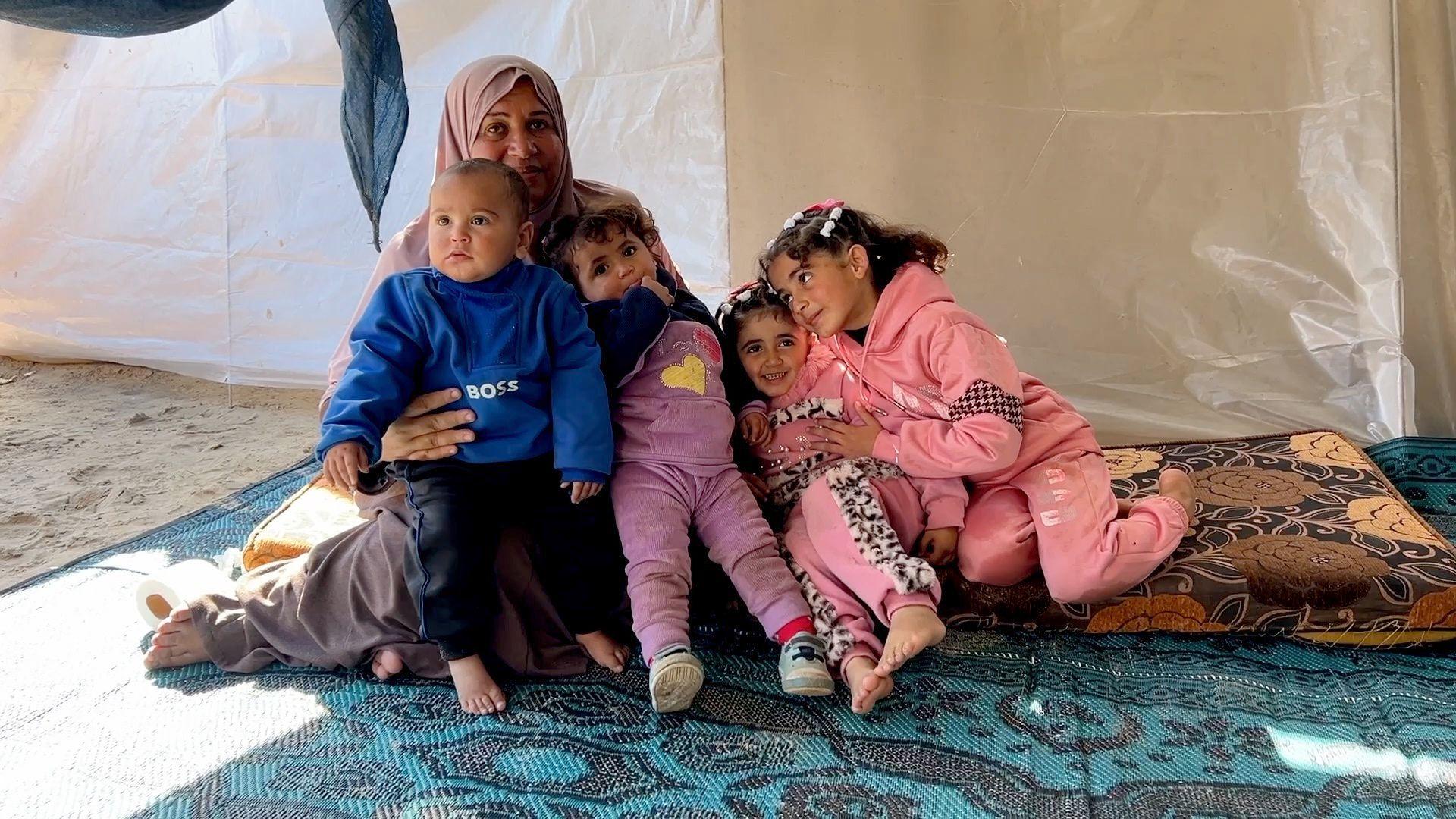
The UK Home Office is continuing to block Palestinian mothers and their young children from joining their husbands and fathers in Britain, despite a tribunal ruling that its refusal to waive biometric requirements was unlawful.
The cases involve two Palestinian families, comprising two mothers and five children aged seven and under, whose fathers are already living in the UK with humanitarian protection status. The families have been unable to complete the biometric checks required for their visa applications because the visa application centre in Gaza has remained closed since October 2023.
On 30 September, Upper Tribunal Judge Fiona Lindsley ruled that the Home Office had acted unlawfully by refusing to exercise its discretion to waive the requirement. The ruling also found that the refusals breached the families' right to respect for family life under Article 8 of the European Convention on Human Rights.
Despite the ruling, the Home Office intends to appeal, prolonging the separation. According to the tribunal, the families were living with severe food shortages and malnutrition, while the children were experiencing trauma and psychological distress.
The case also exposes wider restrictions within Britain's refugee family reunion system. In September 2025, the government suspended new applications under the dedicated refugee family reunion route, replacing it with more restrictive requirements under existing immigration rules.
The government's approach has also raised questions about unequal treatment between refugee groups. Following Russia's invasion of Ukraine, the UK introduced dedicated humanitarian visa schemes allowing Ukrainians and their family members to enter Britain. Ghassan Ghaben of the British Palestinian Committee argued that the government had demonstrated that immigration procedures could be adapted to the realities of war, but had failed to offer Palestinian families any arrangements.
Now, even when Palestinian parents have already been granted protection in the UK, their children can remain separated from them because they cannot satisfy procedural requirements that are impossible to fulfil under the conditions in Gaza.