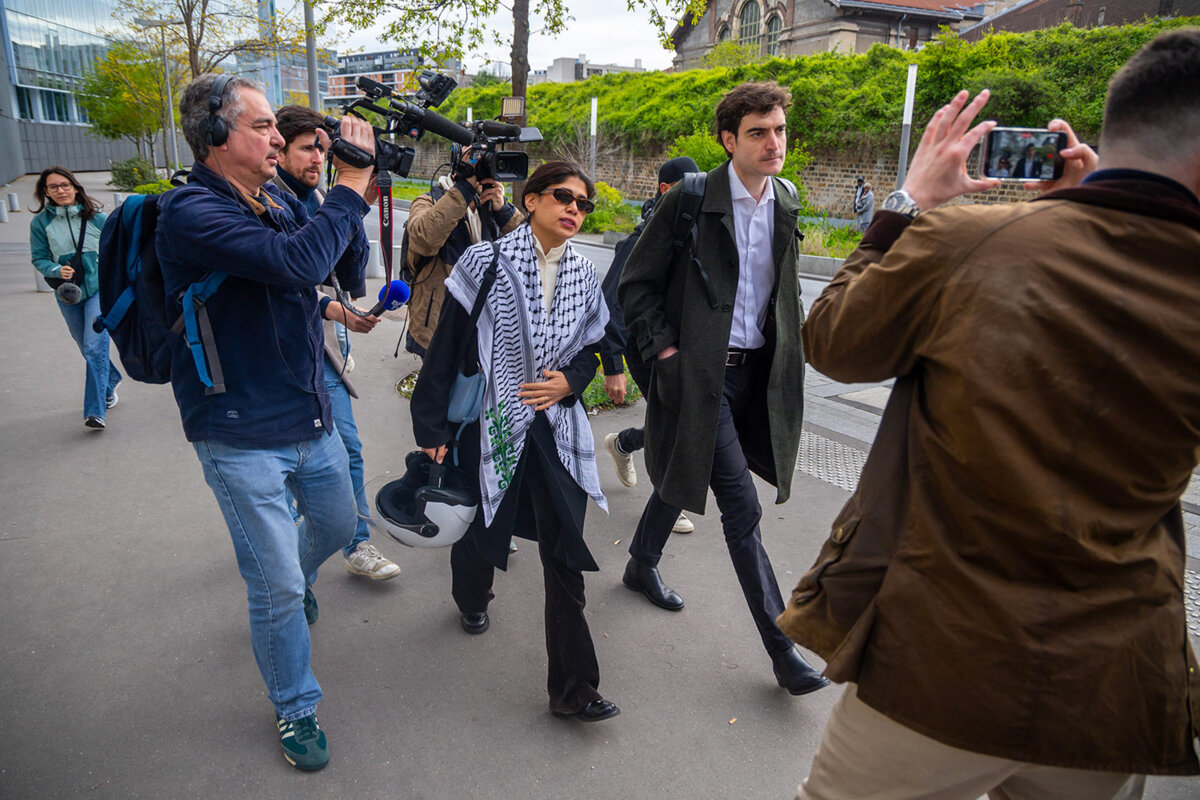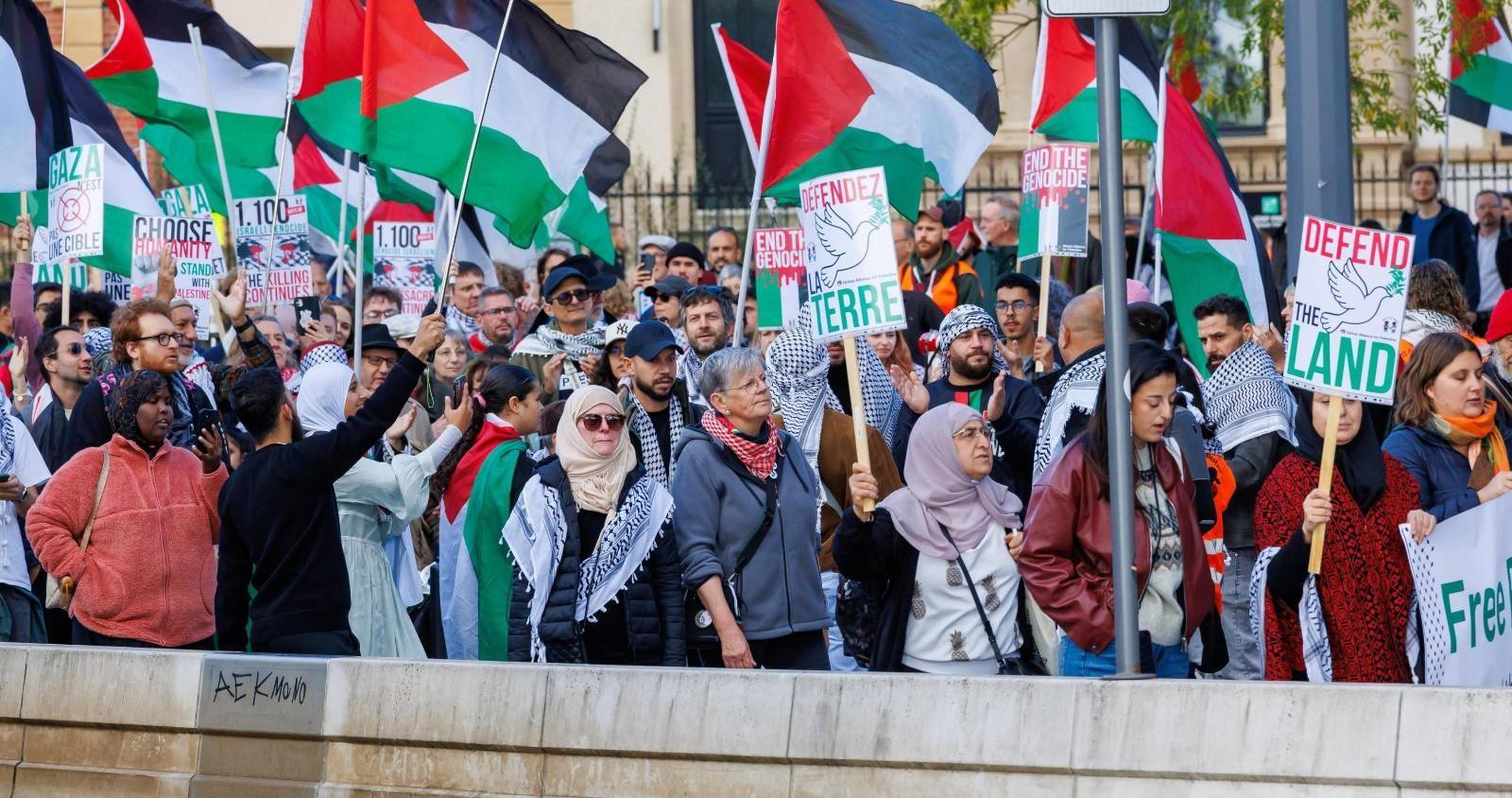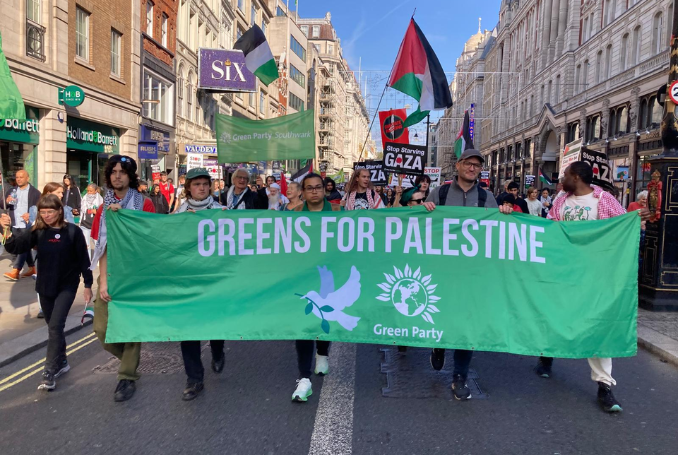
UK universities have shared legal strategies and security planning as part of a wider institutional response to suppress Palestine solidarity on campus, with Muslim, Arab, Palestinian and other racialised students disproportionately affected, according to a new report by Amnesty International.
The report, Silencing Dissent, documents students and academics facing suspensions, campus bans, threats to their immigration status and restrictions on their education for activities including chanting, clapping and wearing keffiyehs. Amnesty says some of the measures imposed did not meet the legal threshold for restricting political speech and peaceful assembly.
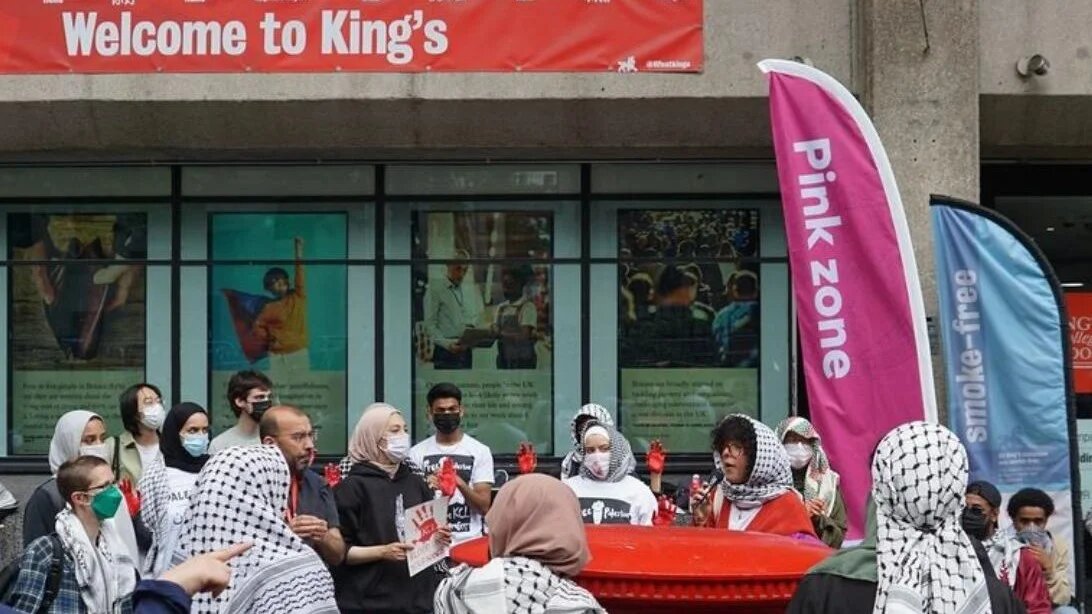
One case involved seven students at the London School of Economics (LSE), who staged a 15-minute protest in July 2024 calling on the university to divest from companies supplying arms to Israel. Students wore keffiyehs and T-shirts bearing red handprints, used a megaphone and chanted slogans. The university subsequently imposed precautionary campus bans, restricting some students’ access to in-person support services, including medical care.
Internal LSE emails obtained through a subject access request revealed how the protest was discussed by senior staff. Some described the students as “dressed as terrorists”, while one official proposed expelling them before an investigation had taken place.
The report also exposes how universities used disciplinary procedures themselves as a form of punishment. In some cases, students faced prolonged investigations without clear timelines, outcomes or routes to appeal. Amnesty found that sanctions were sometimes imposed before disciplinary hearings had concluded, leaving students unable to attend campus or access university facilities while their cases remained unresolved.
Amnesty also found that students who were visibly Muslim or displayed symbols of Palestinian identity had been disproportionately affected. Its review examined protest policies at 132 UK universities and included 40 interviews with people from 26 universities.
Notably, the report demonstrates that universities are not acting in isolation, but within a wider network shaped by government pressure, regulatory direction, advocacy groups, private law firms and security contractors. It says some institutions shared legal strategies and security planning in ways that contributed to restrictions on Palestine-related protests.
The report adds to growing scrutiny of how UK institutions respond to solidarity with Palestinians, as students continue to face disciplinary action for challenging university links with companies supplying arms to Israel.